


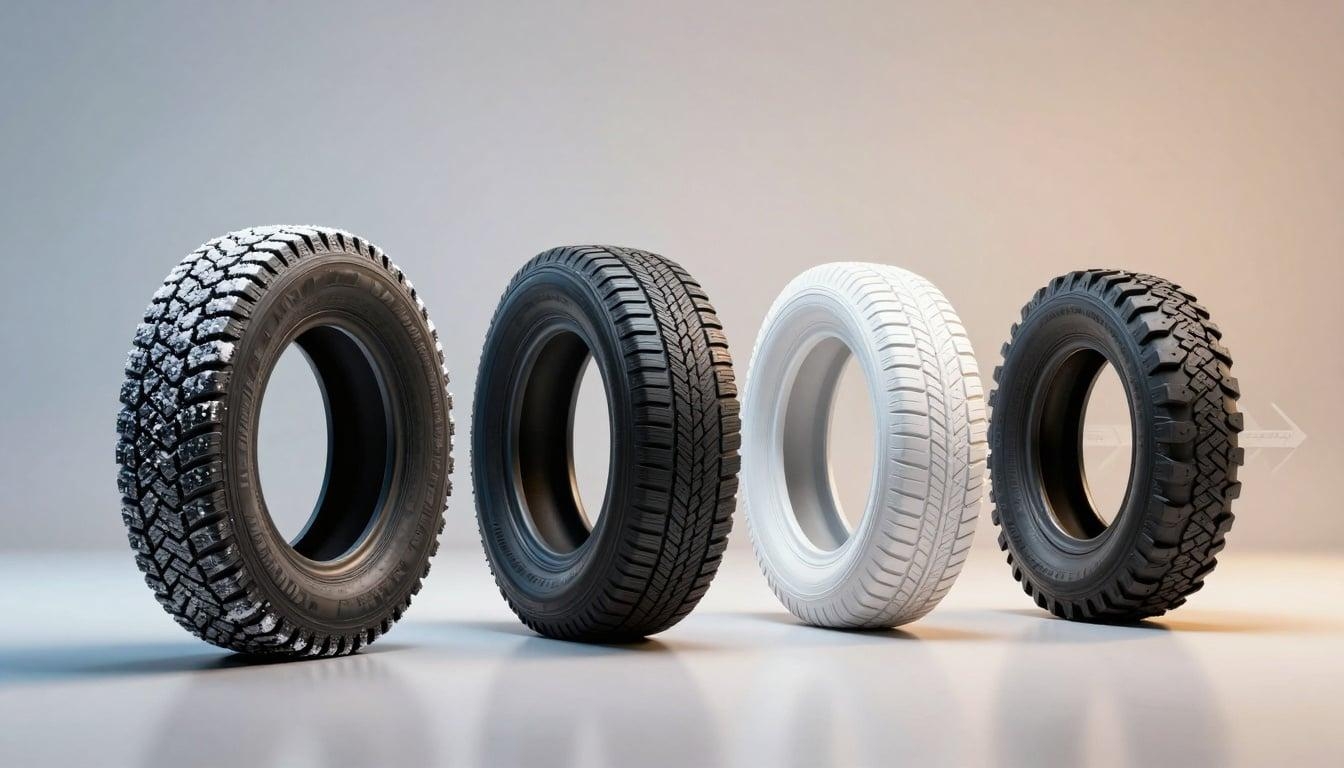
The Ultimate Guide: Which Tyres Are Best for Each Season and Easy Setting Optimization
Imagine sliding on wet roads during a sudden summer shower, or struggling to grip icy patches in winter. Your tyres make all the difference in staying safe and in control. Many drivers pick one set and check it off their to-do list but that choice can hurt your handling, fuel use, and yes, even your wallet.
The mix-up comes from not knowing which tyres fit your local weather and car journeys. Think of it as dressing correctly for the weather - wrong shoes on a rainy day will often lead to slips. In this blog, we will cover the main types of tyres available: summer, winter, and all-season tyres. Sticking to one pair all-year-round often means sacrificing on performance. Let us break it down, so you can make informed choices, for safety, performance and budgeting.
Understanding the Physics: Why Tyre Choice Matters More Than You Think
Tyres are not just rubber circles. They react to heat, cold, and road types in major ways. Get this wrong, and you risk longer stops, poor turns or even worse, a breakdown.
Temperature Thresholds and Rubber Compounds
Rubber changes with the chill. Below 7°C (that's about 45°F), summer tyre rubber hardens like stiff gum. It loses grip fast on cold roads. Winter tyres stay soft and bendy in the freeze.
Winter ones pack more silica for that needed extra flexibility. The silica helps tyres to cling to slick surfaces. Summer tyres use natural rubber that shines in warmth but cracks in the cold. Picture biting into frozen candy - it does not give. So, swap your tyres when temps drop steady below 7°C, to keep control.
This shift is not just about the feels. Tests show winter tyres cut braking time by up to 20% in cold rain. Your safety rides on matching rubber to the air.
Tread Pattern Design: Sipes vs. Grooves
Tread shapes grip or slip based on what's outside. Summer tyres have blocky, shallow lines for dry speed and wet push-away. They slice through puddles like a boat's hull.
Winter tyres dig deeper with sipes - tiny cuts that bite snow like teeth on cheese. These edges multiply grip points. In ice, they flex to hold firm where smooth treads slide.
Wide grooves in both fight hydroplaning (that scary lift over water). But summer ones shine in spring rains, pulling water out quick. Winter treads pack snow into blocks for traction, not slip. Match the pattern to the mess outside, and you'll stop where you want.
Legal and Safety Implications of Incorrect Tyre Usage
Some places demand the right tyres by law. In Germany or Nordic spots, fines hit if you drive with summer tyres in deep snow. Check your region’s rules, to dodge those pesky tickets.
Wrong tyres boost crash odds. Bald treads in wet weather mean hydroplaning at 50 mph. Use the penny test: edge it in - if you see the head, replace now.
Always check pressure monthly. Low air cuts grip by 10%. For seasons, inspect depths before swaps. Legal musts keep you out of trouble; smart checks keep you rolling safe.
Summer Tyres: Maximizing Grip in Warm, Dry, and Wet Conditions
Warm days call for tyres that hug the road tight. Summer options deliver that punch when heat rules. They boost your drive above 7°C.
Performance Characteristics on Hot Asphalt
These tyres stiffen up in sun for sharp turns. Bigger road contact means shorter stops - often 5 to 10 metres less than winters on dry. Sidewalls resist flex, so you corner steady at speed.
On highways, they cut rolling drag for better fuel. Think of them as running shoes on pavement - light and responsive. High-end ones even quiet road noise for comfy cruises.
Real drivers notice the edge in quick lanes. Braking from 60 mph drops to 35 metres with good summers. Pick ones with EU labels for wet grip ratings.
Managing Spring and Early Autumn Showers
Spring brings spotty rain after winter. Summer tyres handle mild wet fine with their groove setup. They push water aside to avoid floats.
But heavy storms test limits. If nights dip cold, grip fades overnight. Wait a week of steady warmth before fitting to avoid surprises.
Tip: Clean treads after muddy drives. Rotate every 8,000 km for even wear. This keeps them ready for those quick showers without drama.
Winter Tyres: Essential Grip for Cold, Snow, and Ice
Cold snaps demand tyres that won't quit. Winter sets grab hold when frost bites. They're a must below 7°C for real control.
The Role of Sipes in Snow and Ice Traction
Sipes are the secret weapon here. These slits open up to snag snow like claws. The Three-Peak Mountain Snowflake mark shows top snow pull.
Even on dry freeze, soft rubber flexes for bite. All-seasons harden and slide by comparison. In tests, winters stop 15% quicker on ice.
They're not just for blizzards. Slushy roads or black ice need that edge too. Fit them, and you'll feel the difference in every turn.
When to Switch: The Cold Threshold Strategy
Watch the forecast close. Swap when days stay under 7°C for good. Auto groups like the AA back this for UK drivers.
Data from tyre tests backs it: winters halve skid risk in freeze. All-seasons lag by 30% in snow stops. Don't wait for the first flake - proactive saves skids.
Mark your calendar for October swaps in most spots. Reverse in April as warmth holds. This timing maxes safety without rush.
The Middle Ground: All-Season Tyres and Their Limitations
Not everyone wants swaps twice a year. All-season tyres offer a simple fix for mild spots. But they trade peak grip for ease.
Defining the All-Season Compromise
These blend summer speed with light winter flex. Good for places without deep snow or scorchers. The "easy setting" for city drives in moderate climes.
They carry the M+S mark for mud and snow basics. All-weather versions add the snowflake for better chill hold. Still, they're jacks of all, masters of none.
In rain or light frost, they do okay. Fuel stays steady year-round. But extremes show their weak side quick.
Evaluating Performance for Different Driving Styles
City commuters love the no-swap life. They manage wet commutes and rare flurries fine. But off-road or long hauls? Not so much.
For families in hilly areas, skip the drive if snow piles up. All-seasons spin more in deep white than winters. Highway drivers get okay dry speed, but summers edge them out.
Advice: Test your routes first. If freezes last weeks or heat waves hit hard, go seasonal. For casual miles, all-seasons cut hassle without big risks.
Tailor Your Tyre Strategy for Maximum Safety and Longevity
Picking tyres right means safer drives and longer lifespan from your set. Seasonal swaps give top grip, even if it takes effort. Stick to the 7°C rule, and you'll avoid most slips.
Summer tyres rule warm dry and wet above that line. Winters lock in below for snow and ice mastery. All-seasons fit mild spots as your easy choice, but check limits.
Key Takeaways
- Summer tyres shine above 7°C for dry and wet road hold.
- Winter tyres are key below 7°C to grab snow and ice tight.
- All-season options work best in balanced weather without extremes.
- Tip: Check tread and air before each switch to stretch tyre miles and boost efficiency.
Ready to upgrade? Book your nearest mobile tyre fitter now on the HardShoulder App. Match your tyres to the road ahead - you will thank yourself on the next bend.
Drive safe this winter.